Thessaloniki has been a Macedonian capital, a Roman crossroads, the Byzantine Empire's second city, an Ottoman port where a dozen languages mixed on the docks, and — for a few terrible years in the 1940s — a place that lost most of its oldest community. Almost none of that history is behind glass. Most of it is still standing, a short walk from wherever you're reading this.
A Princess's City
Thessaloniki was founded in 315 BC by Cassander, a general and later king of Macedon, who merged roughly two dozen small settlements around the Thermaic Gulf into a single city. He named it after his wife, Thessalonike — half-sister of Alexander the Great. The city's position was no accident: a sheltered natural harbor at the point where the road east toward Byzantium met the routes north into the Balkans made it valuable from the start.
Rome's Gateway to the East
After Macedonia became a Roman province in 168 BC, Thessaloniki grew into one of the empire's key eastern cities, sitting on the Via Egnatia — the great road connecting Rome to Constantinople. The Apostle Paul passed through around 50 AD and stayed long enough to found one of the first Christian communities in Europe, later writing two of the New Testament's epistles back to the Thessalonians. A few centuries later, the emperor Galerius chose the city as an imperial capital of the Roman Tetrarchy, building the palace, arch, and rotunda whose remains still anchor the modern city center.
The Byzantine Empire's Second City
As Rome's eastern half became the Byzantine Empire, Thessaloniki grew into what chroniclers called the symvasileousa — the "co-reigning city," second only to Constantinople. It held that rank for roughly a thousand years, through sieges, plague, and the occasional sack, accumulating the churches and mosaics that later earned fifteen of its monuments a joint UNESCO World Heritage listing. The city's Byzantine centuries deserve their own telling — we've written that one separately.
Ottoman Thessaloniki: A City of Many Peoples
The Ottomans took the city in 1430, and under their rule Thessaloniki became one of the most cosmopolitan ports in the Mediterranean. After Spain expelled its Jewish population in 1492, tens of thousands of Sephardic Jews resettled here, and for several centuries they made up close to half the city's population — enough that the docks reportedly fell quiet on Saturdays. Greek Orthodox Christians, Muslim Turks, Sephardic Jews, and smaller communities of Armenians, Roma, and Levantine traders lived, traded, and worshipped within a few streets of one another. It's this era that earned Thessaloniki the nickname "the Jerusalem of the Balkans" — and it's also the city where the Young Turk movement was headquartered in 1908, and where a young Mustafa Kemal, later Atatürk, was born in 1881.
Into the Modern Greek State
Thessaloniki was annexed to Greece in 1912, during the First Balkan War. Five years later, the Great Fire of 1917 tore through the city center — a story significant enough that it gets its own article here. The population exchange of 1922–23 that followed the Greco-Turkish War reshaped the city again, as its Muslim residents departed and tens of thousands of Greek refugees from Asia Minor arrived.
The darkest chapter came two decades later. During the Nazi occupation, the vast majority of Thessaloniki's Sephardic Jewish community — a population that had called the city home for over four centuries — was deported to Auschwitz-Birkenau in 1943. Only a small fraction returned. It's a loss the city has never fully recovered from, and the White Tower's history museum and the city's Holocaust memorial both address it directly, for anyone who wants to understand this part of Thessaloniki's story in full.
What survived and rebuilt is the Thessaloniki you'll walk through today: Greece's second-largest city, home to a major university, a UNESCO-listed collection of Byzantine monuments, and a genuinely layered identity that a single afternoon barely scratches.
 Premium
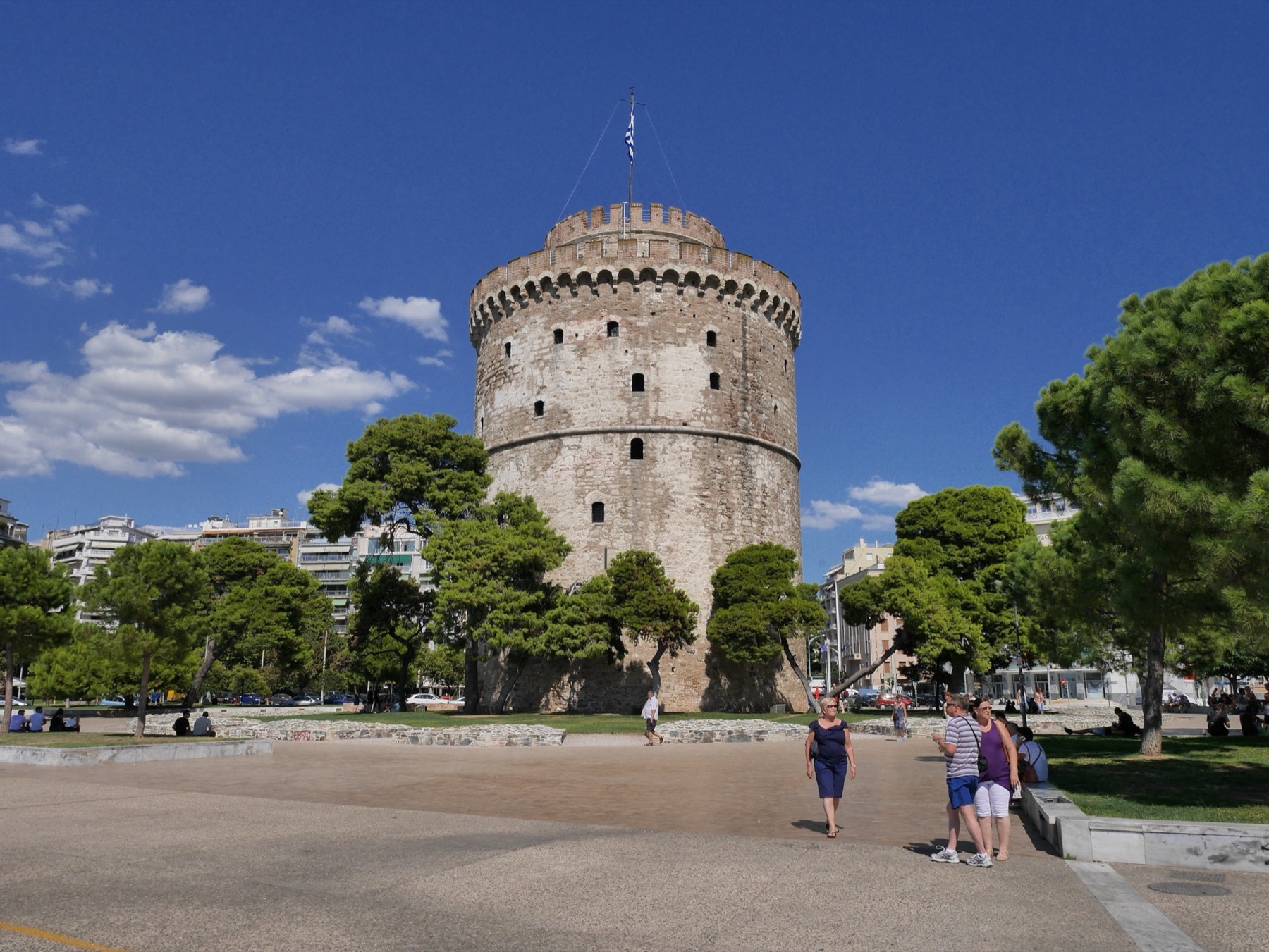
The White Tower
A living chronicle by the sea
 Premium
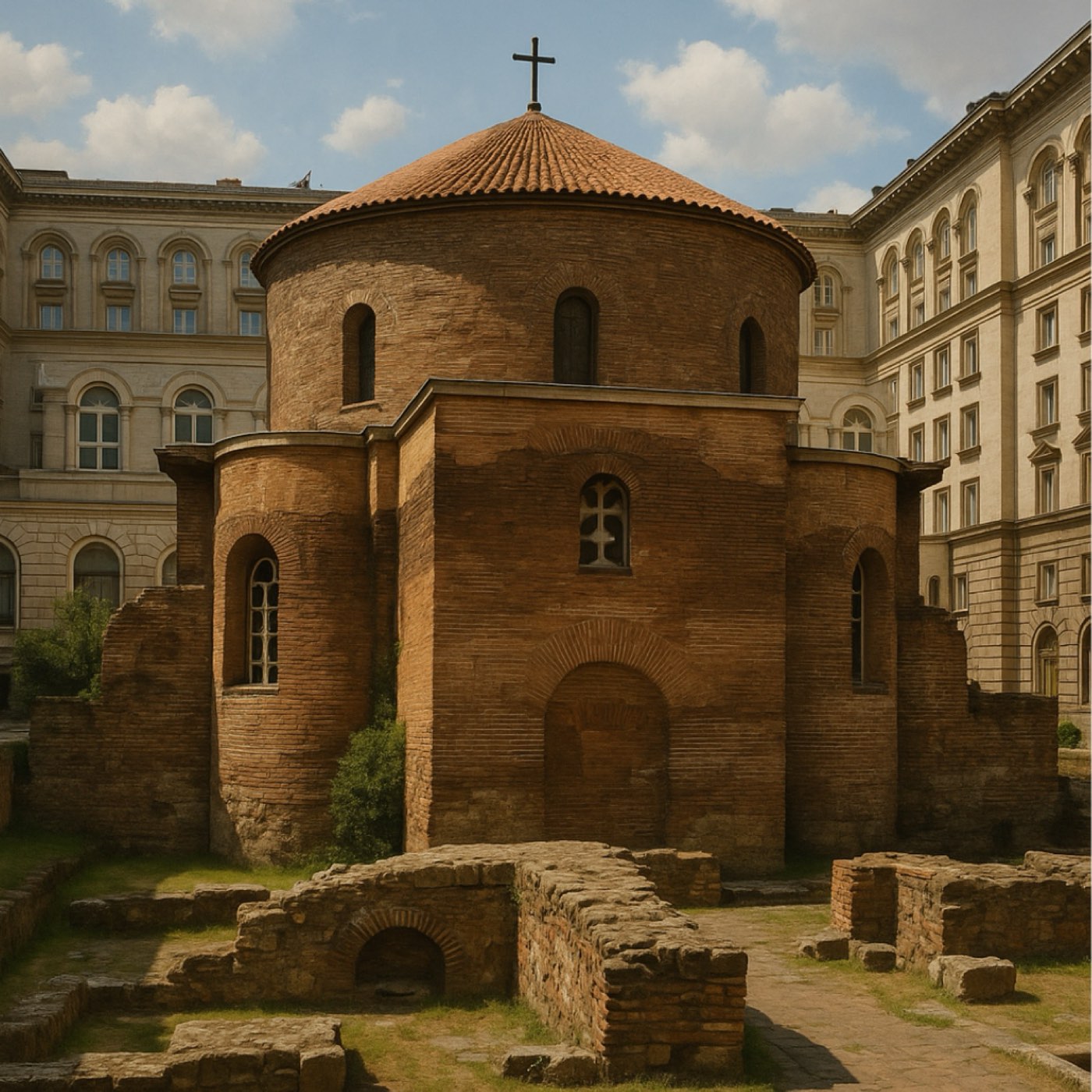
The Rotunda of Galerius
From emperor to eternity
 Premium
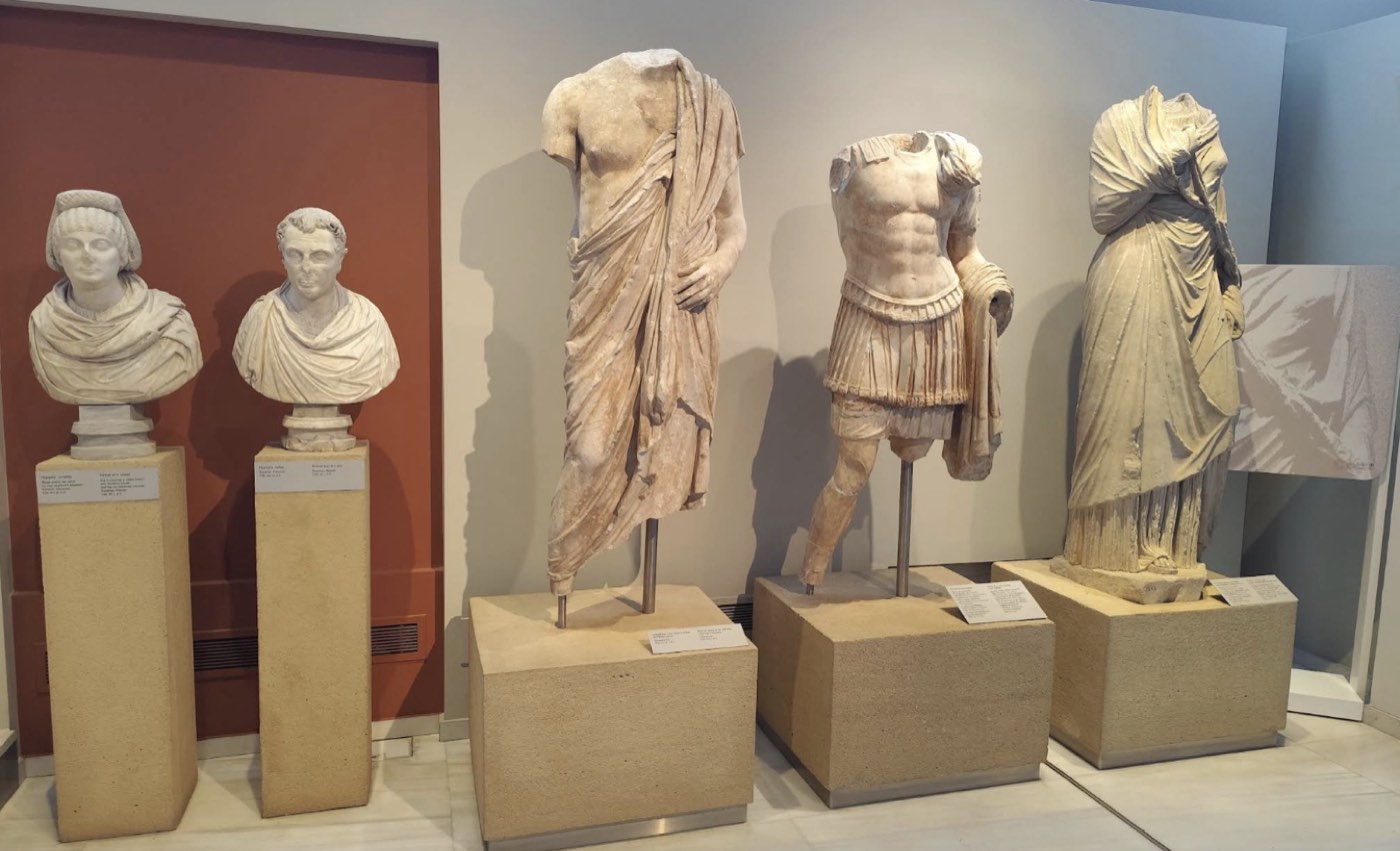
Archaeological Museum
Voices from beneath the earth
Hear this history where it happened
The Thessaloniki Stories app narrates nine of these landmarks in place — start free with Ano Poli, then unlock the rest of the city's story.
Download on the App Store