For roughly a thousand years, Thessaloniki was the Byzantine Empire's second city — and unlike most "golden ages," this one left its evidence in plain sight. Fifteen of its early Christian and Byzantine monuments are protected today as a single UNESCO World Heritage listing, and several of them are still active places of worship.
The "Co-Reigning City"
Byzantine writers had a specific title for Thessaloniki: symvasileousa, the city that reigns alongside Constantinople. It was the empire's second-largest city for most of its history, a center of trade, learning, and theology in its own right — important enough that the 14th-century Hesychast movement, one of Byzantine Christianity's major theological currents, had one of its central figures serve as the city's own archbishop, Gregory Palamas.
A Rotunda Reborn Three Times
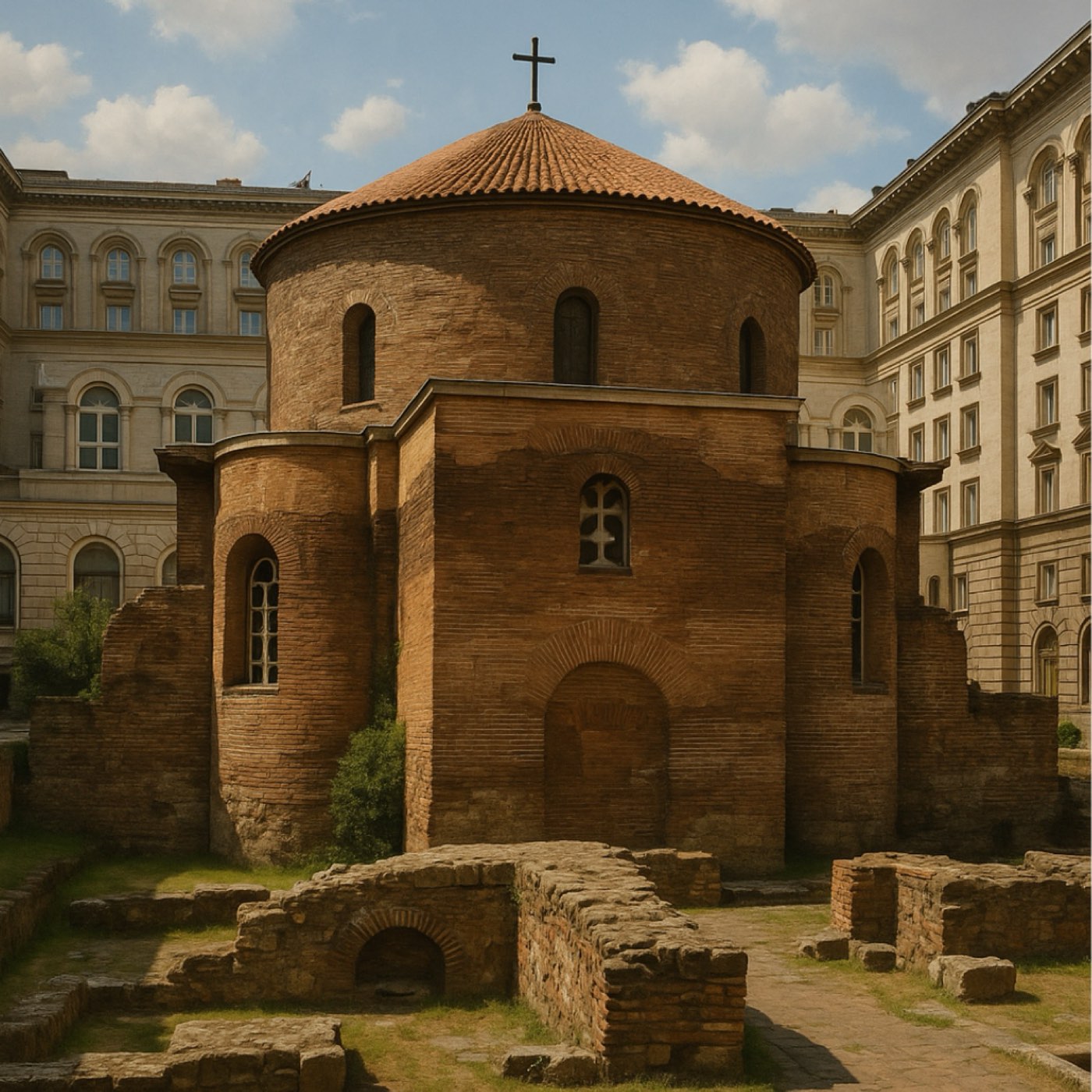
Few buildings anywhere summarize an empire's religious history as neatly as the Rotunda of Galerius. Built around 306 AD as a mausoleum or pagan temple for the Roman emperor Galerius, it was converted into a Christian church in the 4th century — one of the oldest in the empire — decorated with the shimmering gold mosaics that still survive in fragments today. Centuries later, under Ottoman rule, it became a mosque; in the 20th century it was reconsecrated as a Christian monument. Three religions, one building, still standing.
Saint Demetrios and the Sieges That Made a Patron Saint
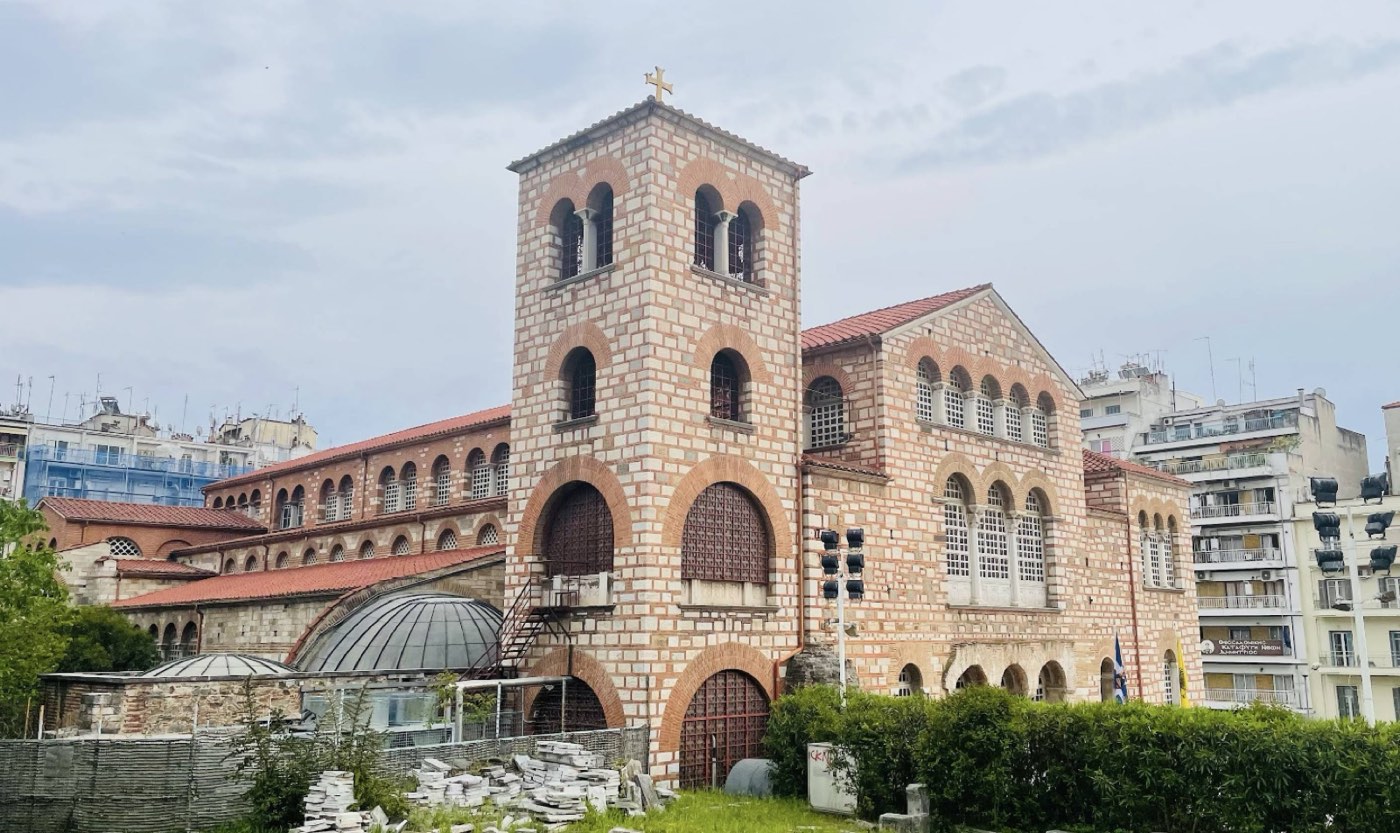
Thessaloniki's patron saint, Demetrios, was martyred here in the early 4th century, and the basilica built on the site — the Church of Saint Demetrios — became the spiritual center of the city. A 7th-century manuscript known as the Miracles of Saint Demetrios credits him with personally defending Thessaloniki during a string of Avar and Slavic sieges, and the tradition of myron (a fragrant oil said to flow from his relics) made his crypt a pilgrimage site for over a millennium. It still is.
Light in the Dome: Hagia Sophia's Mosaics
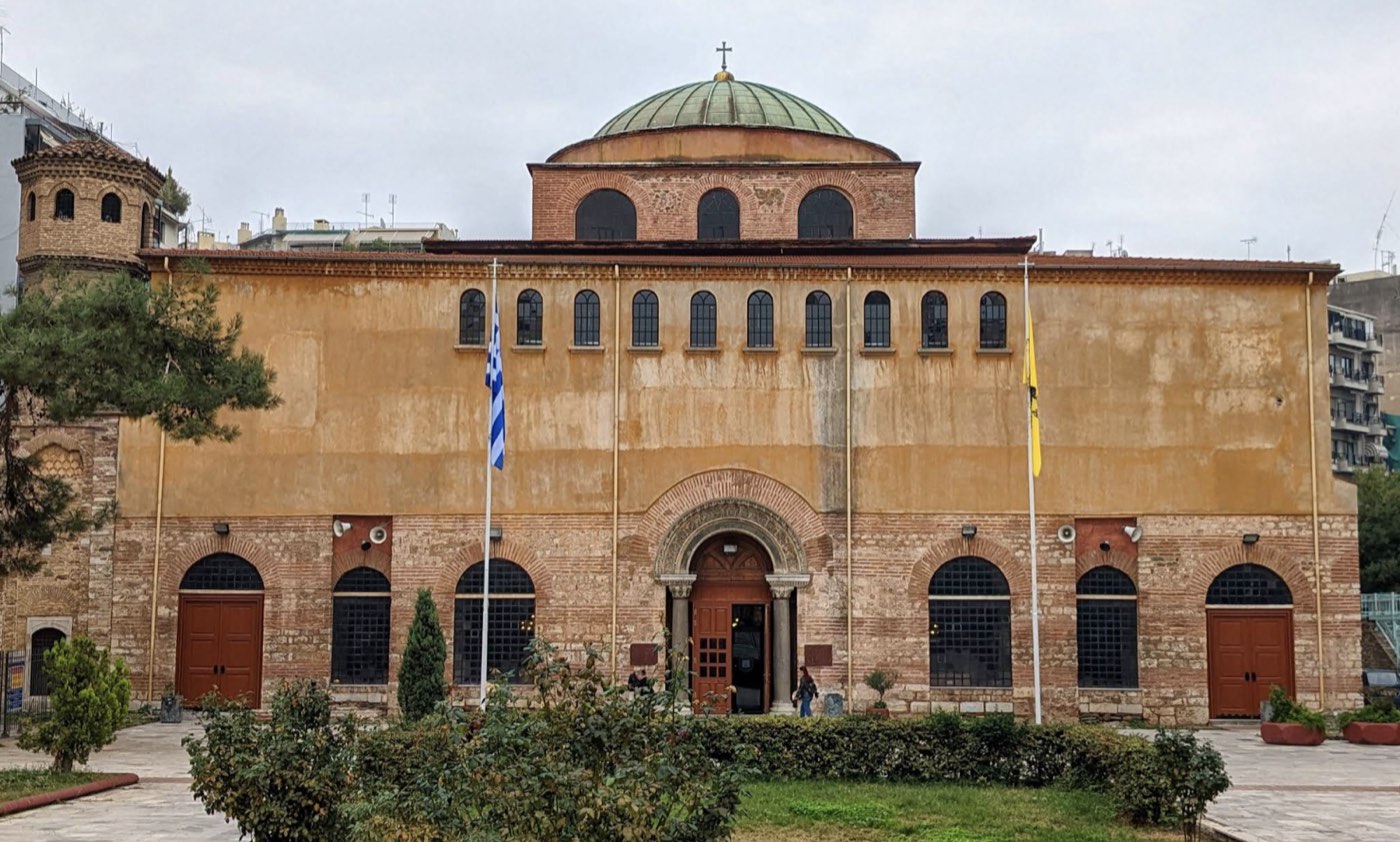
Modeled on its namesake in Constantinople, the Church of Hagia Sophia holds one of the city's most remarkable survivors: a 9th-century mosaic of the Ascension in its central dome, created just after the Byzantine Iconoclasm — a century-long period when religious imagery was banned and destroyed across the empire. That the mosaic exists at all makes it a rare, direct look at Byzantine art from the moment icons were allowed back into churches.
A Legacy You Can Still Walk Through
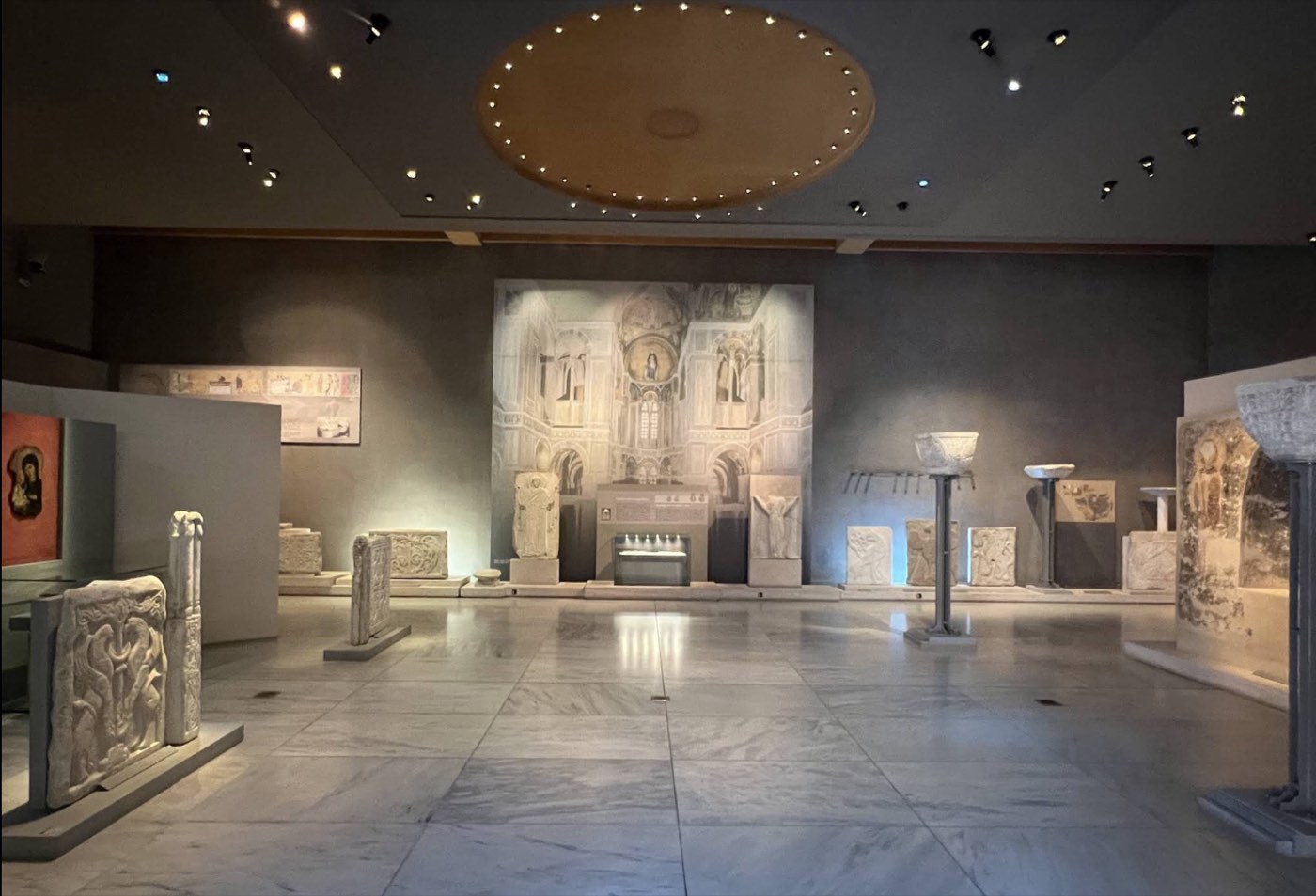
In 1988, UNESCO inscribed fifteen of Thessaloniki's early Christian and Byzantine monuments as a single World Heritage site — an unusually large concentration for one city outside Constantinople itself. The Museum of Byzantine Culture is the best place to see the connective tissue between them: icons, mosaics, and everyday objects that place the churches and the Rotunda into a single, thousand-year story rather than a handful of separate stops.
 Premium
The Rotunda of Galerius
From emperor to eternity
 Premium
Church of Saint Demetrios
A sacred flame in the heart of the city
 Premium
Church of Hagia Sophia
A sanctuary of light and empire
 Premium
Museum of Byzantine Culture
Echoes of empire, treasures of faith
Walk into the mosaics yourself
Each Byzantine landmark in this article has a full narrated story in the Thessaloniki Stories app — offline, chapter by chapter, at the actual site.
Download on the App Store