Walk through downtown Thessaloniki today and you'll notice something Ano Poli doesn't have: wide boulevards, open squares, a grid you can actually navigate. That layout exists because of a fire that erased most of the old city center in under two days.
A Spark on Olympou Street
On August 18, 1917, a small kitchen fire broke out in a house near Olympou Street, close to the city center. It should have been contained quickly. Instead, a strong seasonal wind — the same Vardaris wind that still sweeps down from the north today — carried embers across the tightly packed wooden buildings of the Ottoman-era city, and within hours the fire had outrun any way of stopping it.
32 Hours That Erased a City Center
The fire burned for roughly a day and a half. By the time it was out, it had destroyed an estimated 9,500 buildings — about two-thirds of the city within the old walls — and left approximately 70,000 people homeless, across every community in the city. The historic center was, at the time, home to a large share of Thessaloniki's Jewish population, and the fire fell especially hard on Jewish neighborhoods, destroying synagogues, businesses, and homes that had stood for centuries.
Ano Poli: The Neighborhood the Fire Never Reached
The fire burned through the lower, denser part of the city but never made it up the hill. That's the reason Ano Poli, Thessaloniki's Upper Town, still has the cobbled lanes and Ottoman-era wooden houses the rest of the city center lost — it's essentially a preserved sample of what all of Thessaloniki looked like before 1917. It's also why Ano Poli's story is the one Thessaloniki Stories gives away for free in the app: it's the closest thing the city has to a time capsule.
Ernest Hébrard's New Thessaloniki
Rather than rebuild the tangled Ottoman-era street plan, Greek authorities commissioned French architect Ernest Hébrard to design an entirely new city center — wide avenues, formal squares like Aristotelous, and a modern grid replacing the old maze of lanes. It's the reason downtown Thessaloniki feels distinctly different from the Upper Town: one was planned in the 20th century, the other grew organically over five hundred years. The rebuilding also came at a cost — many smaller property owners, disproportionately from the city's Jewish community, struggled to afford or reclaim land under the new plan, a hardship that compounded in the decades that followed.
What You See Today
Almost every open square and broad street in central Thessaloniki is, directly or indirectly, downstream of a fire that started in one kitchen on one windy August night. Walk from the waterfront up into Ano Poli and you're walking from the rebuilt city into the one that came before it — the closest thing to a before-and-after you can experience on foot.
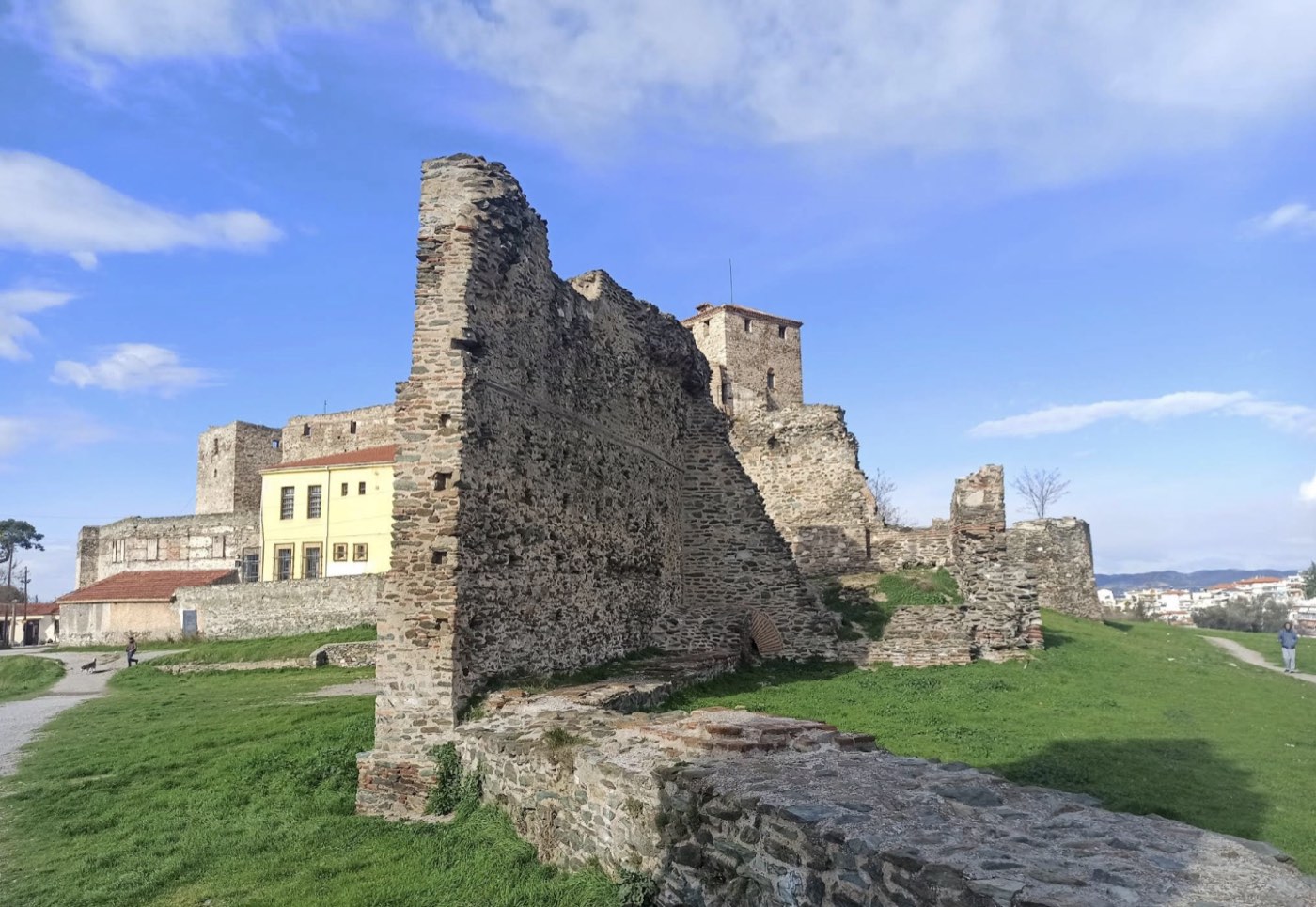 Free
Free
Ano Poli
Thessaloniki's living memory on the hill
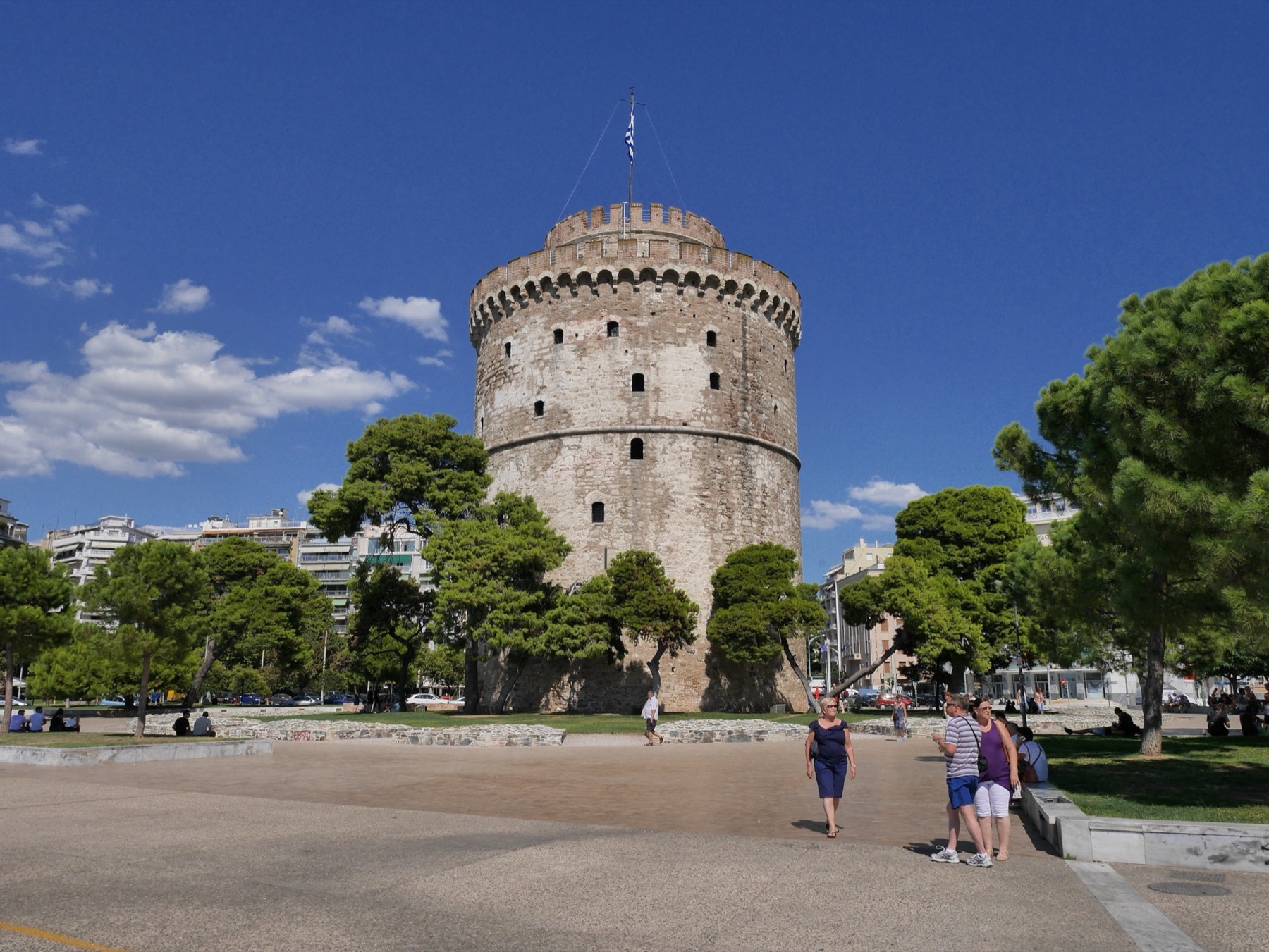 Premium
The White Tower
A living chronicle by the sea
See the neighborhood the fire spared
Ano Poli's full walking story is free in the Thessaloniki Stories app — 8 narrated chapters, no purchase required.
Get the Free Story