🎧
8 narrated audio chapters
Listen in the Thessaloniki Stories app — fully offline, at your own pace.
Listen in App
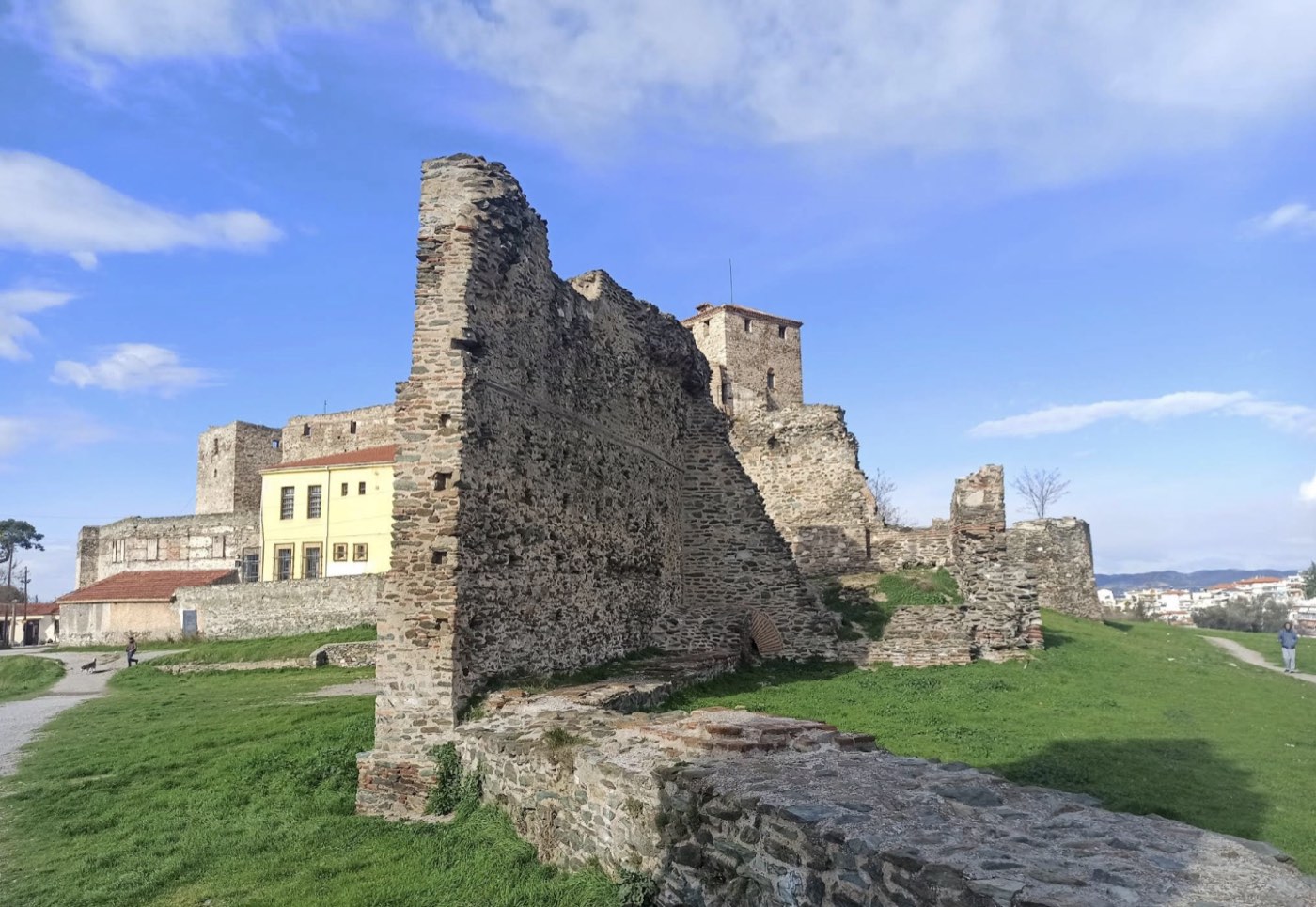
Perched on the northern heights of Ano Poli (Upper Town), the Heptapyrgion Fortress—known locally as Yedi Kule—is one of Thessaloniki’s most imposing and historically layered monuments. Its name, meaning “Fortress of Seven Towers,” is something of a misnomer, as the structure actually has ten towers, a mix of Byzantine and Ottoman construction.
Originally built during the Byzantine period, likely in the 4th century, the fortress was later expanded and modified under Ottoman rule. For centuries, it served a strategic role in defending the city's acropolis, commanding panoramic views over Thessaloniki and the Thermaic Gulf.
From the late 19th century until the 1980s, the Heptapyrgion took on a darker identity, functioning as a prison—one that became infamous during turbulent political periods in modern Greek history. Today, it stands as a symbol of both the city’s military resilience and complex past.
Restoration efforts have transformed parts of the fortress into an open historical site, where visitors can walk along its fortified walls, explore its towers, and delve into centuries of shifting rule, architecture, and purpose.
The Heptapyrgion is not only a monument of defense, but a powerful reminder of Thessaloniki’s layered history—from empire to occupation, from fortress to prison, and now to cultural heritage site.
Unlock the full narrated story
This is a Premium story. Download the app to unlock Heptapyrgion Fortress and the rest of the city’s landmarks.
Download on the App Store